
Exploring the historical evolution of gambling practices through the ages
Origins of Gambling: Ancient Civilizations
The origins of gambling can be traced back to ancient civilizations where it served as a form of entertainment and social interaction. Evidence from archaeological sites suggests that as early as 5,000 BCE, ancient Chinese, Greeks, and Romans engaged in various games of chance. These early gambling activities often revolved around dice games, betting on the outcomes of events, and using rudimentary tools to facilitate wagers. Today, players can also explore real money slots online as a modern evolution of these ancient practices.

In these societies, gambling was not merely a pastime but also held cultural significance. The Chinese were known for their early form of lottery called Keno, while Roman soldiers often gambled on the outcomes of gladiatorial contests. Such practices laid the foundation for modern gambling by integrating luck, skill, and monetary stakes into social rituals.
The Middle Ages: Regulation and Transformation
During the Middle Ages, gambling underwent significant transformations as societies began to regulate gaming activities. In Europe, local authorities imposed restrictions and taxes on gambling, reflecting the growing awareness of its potential for addiction and social issues. This era also saw the introduction of various card games, which became increasingly popular in royal courts and among the nobility.
Moreover, the development of gambling houses became prevalent during this period. These establishments were often lavish venues where people could engage in games of chance while socializing. The rising popularity of games like poker and blackjack can trace their roots back to this time, marking a pivotal moment in the evolution of gambling practices.
Gambling in the Age of Enlightenment
The Age of Enlightenment brought about a new perspective on gambling, leading to both increased popularity and further regulation. In the 17th and 18th centuries, lotteries became a common method for governments to raise funds, as they were deemed a socially acceptable means of generating revenue. This period also saw the emergence of the first official casino in Venice, which set the stage for modern gambling establishments.
During this era, gaming became closely associated with the emergence of modern economic principles, as people began to view gambling not just as a game of chance, but as an investment opportunity. This shift led to the creation of more structured gambling activities, paving the way for the development of games that required strategic thinking alongside luck.
The 19th Century: Expansion and Innovation
The 19th century marked a significant expansion of gambling practices, particularly with the advent of the Industrial Revolution. As urban centers grew and people flocked to cities, gambling became more accessible. Betting on horse racing gained immense popularity, leading to the establishment of formal racetracks and betting systems.
This era also witnessed the birth of various gambling innovations. The invention of the modern slot machine in the late 1800s introduced a new form of entertainment that captivated the public. With improved technology, gambling houses transformed into sophisticated venues that catered to a wide array of games, ultimately leading to the lavish casinos we know today.
Modern Era and Online Gambling
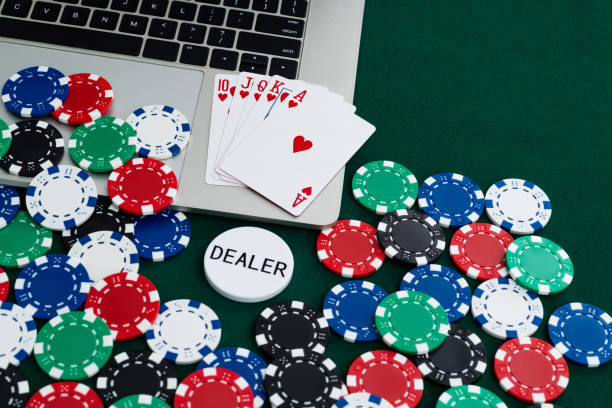
Today, gambling practices have evolved significantly with the rise of the internet and digital technology. Online casinos and betting platforms have revolutionized how people engage with gambling, providing unprecedented access and convenience. Users can now participate in various games from the comfort of their homes, significantly expanding the gambling community worldwide.
Moreover, the growing acceptance of sports betting, fueled by changes in legislation across various countries, has further diversified the gambling landscape. Virtual reality and mobile applications are also shaping the future of gambling, promising to create more immersive and interactive experiences for players.
